Flexible treatment for every health journey
Flexible treatment for every health journey
Discover unique and effective treatment modalities to fit your every need.
Discover unique and effective treatment modalities to fit your every need.
Registered Massage Therapy
Registered Massage Therapy (RMT) is a regulated healthcare profession focused on assessing and treating muscles, joints, connective tissue, and movement patterns to improve function and reduce pain. A Registered Massage Therapist is trained in anatomy, pathology, and clinical assessment, and uses evidence-based hands-on techniques to help with injuries, chronic tension, stress, posture issues, and recovery from physical activity.
Treatment is tailored to your specific needs and may include therapeutic massage, myofascial release, trigger point therapy, stretching, and rehabilitation guidance. In many regions, RMT is considered part of allied healthcare and is commonly used alongside physiotherapy, chiropractic care, and medical treatment plans to support long-term musculoskeletal health and mobility.
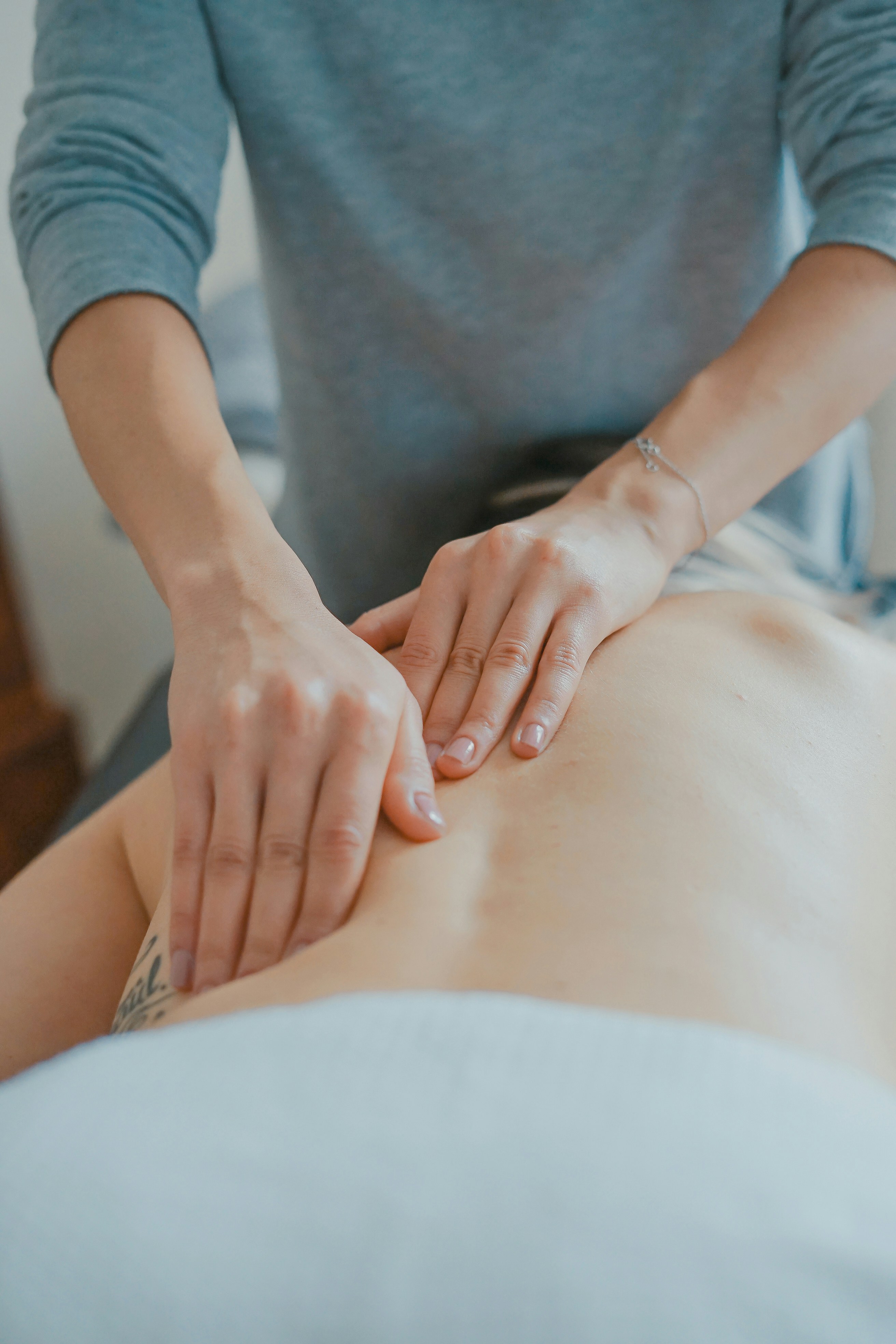
What should I expect attending a Registered Massage Therapy session?
At your first visit, your therapist will review your health history, discuss your goals, and perform a brief assessment (movement, posture, and areas of discomfort). You will then receive a personalized treatment focusing on the problem areas while maintaining your comfort level and privacy. Afterward, you may receive home-care advice such as stretches, exercises, hydration tips, or activity modifications to help your results last longer.
Does Registered Massage Therapy hurt?
Massage therapy should not feel harmful, but therapeutic work can sometimes feel intense — often described as a “good hurt.” Your therapist will always adjust pressure based on your feedback. Mild soreness for 24–48 hours afterward can be normal, especially if tight or injured tissues were treated, but it should never feel sharp or overwhelming.
How much does Registered Massage Therapy cost?
A 45-minute session is $110 and a 60-minute session is $135.
Physiotherapy
Physiotherapy is a healthcare profession focused on restoring movement, reducing pain, and improving physical function after injury, surgery, or chronic conditions. A physiotherapist assesses how your joints, muscles, and nervous system work together, then creates a treatment plan using hands-on therapy, guided exercise, education, and movement retraining to address the root cause of the problem.
Treatment may include mobility work, strengthening programs, posture correction, balance training, and return-to-activity planning. Physiotherapy is suitable for sports injuries, workplace strains, post-surgical rehab, and everyday aches — helping you move confidently and prevent future issues.

When should I see a Physiotherapist?
Traditionally, Physiotherapy is for those struggling with pain, recurring injuries, stiffness or anything that limits daily activities. Weakness after an injury or difficulty returning to sport or exercise. You don't however have to wait until injury to see a Physiotherapist! Oftentimes, pre-emptive assessment and treatment can help identify and correct imbalances long before they become problems!
Does Physiotherapy hurt?
Physiotherapy should not feel harmful, but some treatments can feel challenging — often described as a “good discomfort” as stiff or weak areas are worked on. Exercises and hands-on techniques are carefully progressed to stay within a tolerable range, and your physiotherapist will adjust based on your feedback.
You may experience mild soreness for 24–48 hours afterward, especially early in treatment, similar to post-exercise soreness. Sharp or worsening pain is not expected, and you should always let your therapist know so the plan can be modified.
How much does Physiotherapy cost?
A 30-minute Physiotherapy session is $105, a 45-minute session is $130 and a 60-minute session is $170.
Clinical Pilates 🧎♀️
Popular
Strengthen deep core muscles and the pelvic floor through the use of slow and controlled movements - improving the mind and body connection. Clinical Pilates strengthens while lengthening the muscles and works at end range.
Dry Needling / IMS
A modern therapeutic technique that use thin, sterile needles to target muscular trigger points and scar tissue. These treatments help relieve pain, improve mobility, and promote healing by releasing tension in tight muscles and are effective for conditions like back pain, neck stiffness, sports injuries, and repetitive strain. Our certified practitioners ensure safe, evidence-based care tailored to your needs.
Fascial Stretch Therapy
A pain-free, assisted stretching technique that targets the fascia—the connective tissue that surrounds muscles, bones, and joints—to improve mobility, flexibility, and overall function. Unlike traditional stretching that focuses only on individual muscles, FST works on entire fascial lines and joint capsules, aiming to restore balance and release restrictions throughout the body.
Registered
Massage Therapy
Massage therapy is a powerful, hands-on approach to relieving muscle tension, reducing stress, and enhancing overall well-being. Using a variety of techniques tailored to your needs, our licensed therapists help alleviate pain, improve circulation, and promote deep relaxation.
Pelvic Floor Therapy 💮
A specialized area of physiotherapy aimed at identifying pelvic floor dysfunction and treating issues that could include: incontinence, urgency, pelvic pain. We also provide prenatal pelvic floor preparation and postpartum care. Appropriate for anyone who is looking to optimize their pelvic health as they age/perimenopause. We can reduce pain and symptoms with sexual activities. Some CLBP and hip pain could be coming from pelvic floor dysfunction.
BikeFIT Assessment 🚴
A professional Bike Fit Assessment ensures your bicycle is perfectly adjusted to your body, preventing injuries, enhancing efficiency, and maximizing comfort on every ride. Whether you're a competitive cyclist, a weekend rider, or a commuter, a proper bike fit can transform your cycling experience. Includes: body biomechanics, saddle and handle bar positioning, cleat and pedal alignment.
Active Rehabilitation 🏋️
Active Rehabilitation is a dynamic, exercise-based approach to recovery, designed to help you regain strength, mobility, and confidence after injury, surgery, or chronic pain. Unlike passive treatments, active rehab empowers you to take control of your healing through targeted movements, corrective exercises, and personalized progressions.
Shockwave Therapy ⚡
Shockwave Therapy (SWT) is a non-invasive, evidence-based treatment that uses high-energy acoustic waves to stimulate healing in injured tissues. Unlike surgical or needle-based approaches, SWT delivers controlled pulses deep into affected muscles, tendons, ligaments, or bones—promoting regeneration and pain relief with minimal downtime.
Pricing
Subtitle.
Free
$0
Feature 1
Feature 2
Feature 3
Sign Up
Pro
$20
Feature 1
Feature 2
Feature 3
Sign Up
Team
$40
Feature 1
Feature 2
Feature 3
Sign Up
Pricing
Subtitle.
Free
$0
Feature 1
Feature 2
Feature 3
Sign Up
Pro
$20
Feature 1
Feature 2
Feature 3
Sign Up
Team
$40
Feature 1
Feature 2
Feature 3
Sign Up